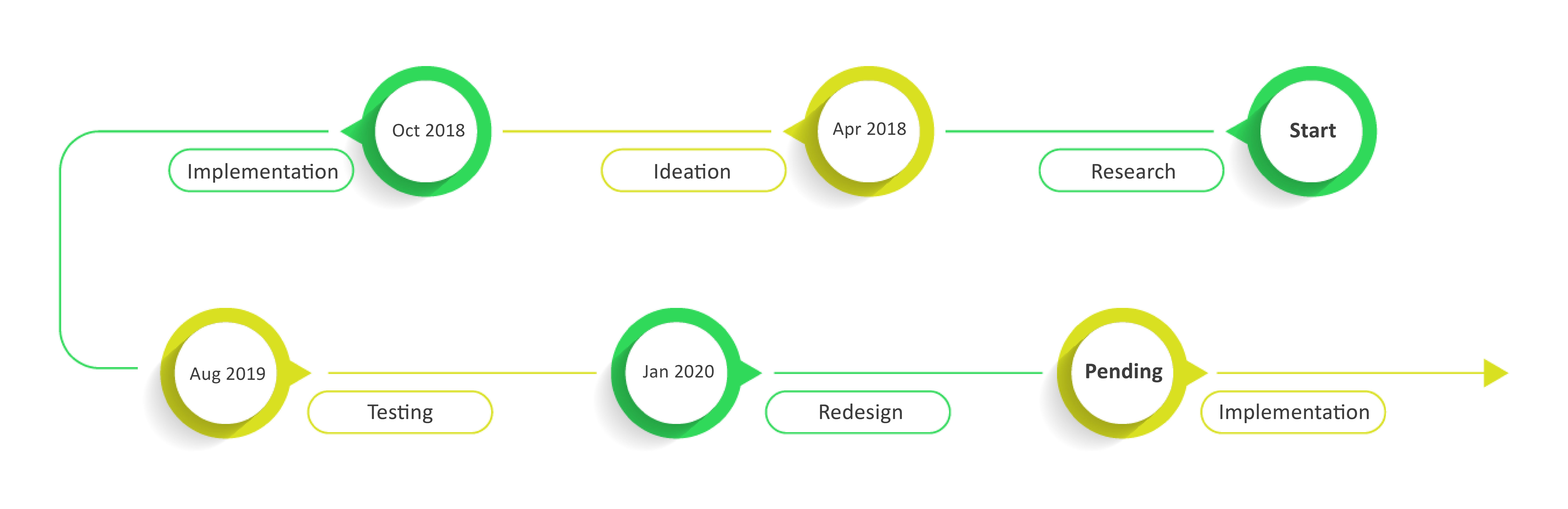
Ro-Box was established in 2018 by a group of four passionate technology enthusiasts with the goal of transforming transportation in Iran. As the country’s first shared electric scooter service, Ro-Box initially focused on serving large recreational spaces and shopping malls in southern regions like Qeshm and Kish Islands. Over time, the team expanded its vision to address urban mobility challenges in crowded cities like Tehran.
With over 10 million residents, Tehran faced severe traffic congestion, pollution, and limited parking infrastructure. Ro-Box aimed to provide an eco-friendly, affordable, and efficient solution to these issues, offering smarter and more sustainable urban transportation.
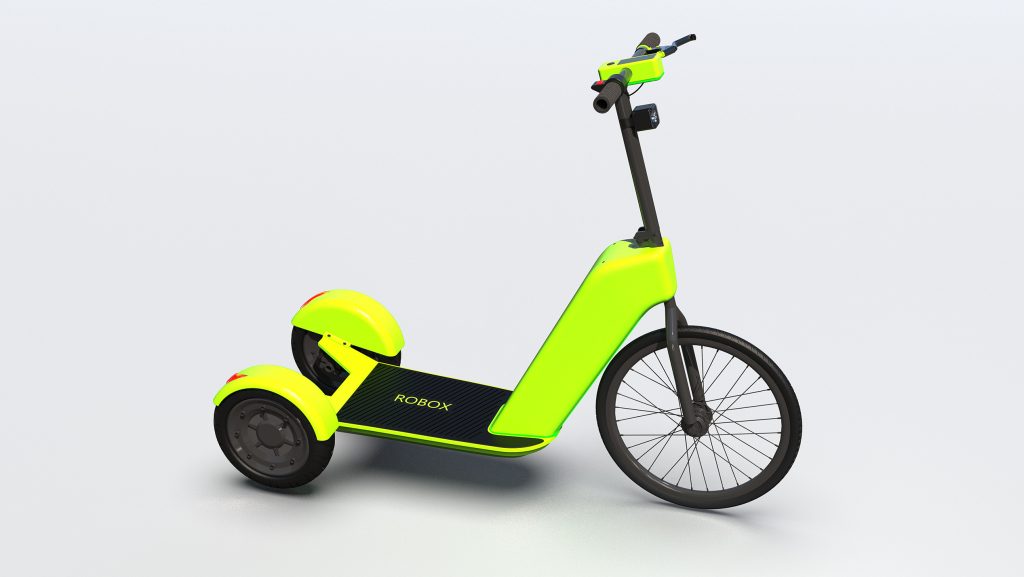
Key Features of Ro-Box Smart Scooters:
- GPS & Internet Connectivity: Enabling seamless navigation and fleet management.
- Dual Braking System: Combining physical and electrical brakes for maximum safety.
- Safety Lights: Enhancing visibility and security for riders.
- Optimized Performance: 12 km/h top speed and an 18 km range.
- Sustainable Power: Powered by lithium-ion batteries.
- Durable Design: Supporting up to 120 kg with a lightweight 15 kg frame.
Initial Steps
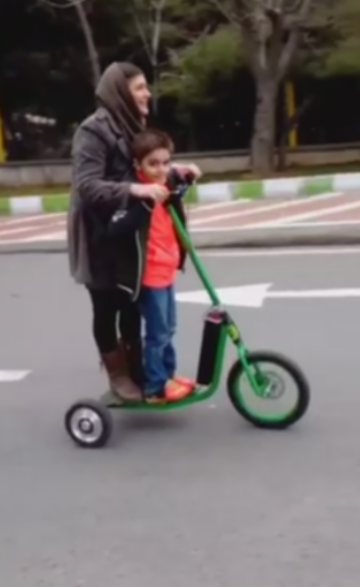
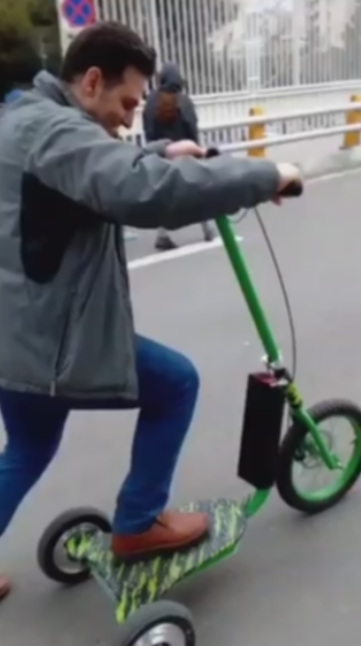
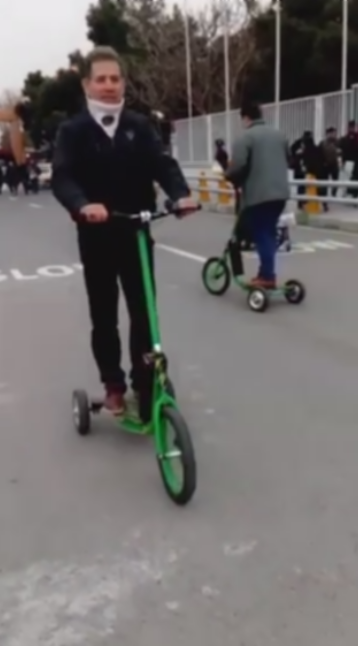
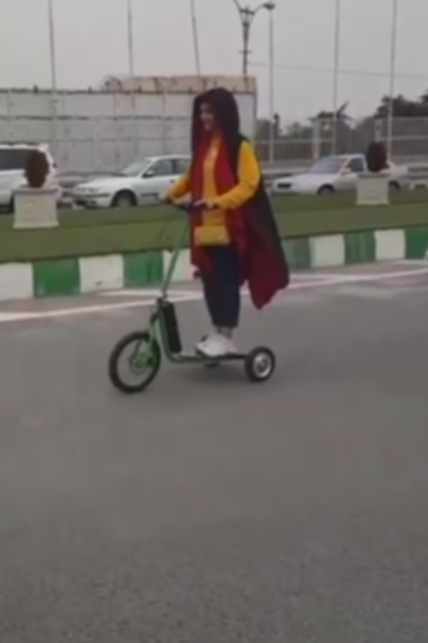
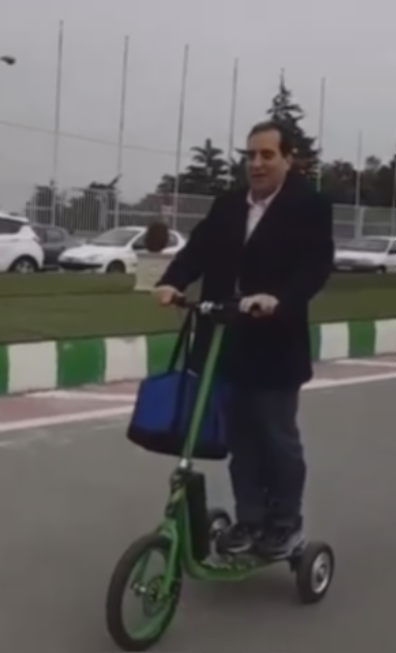
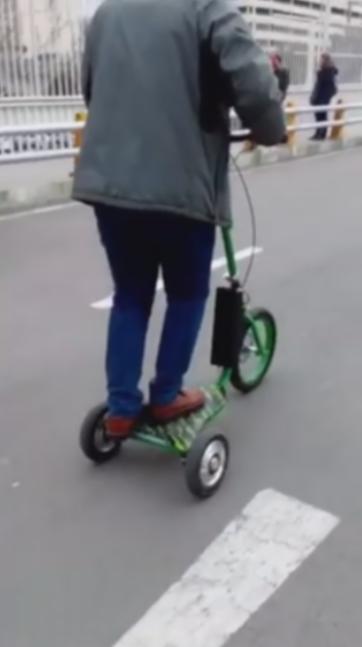
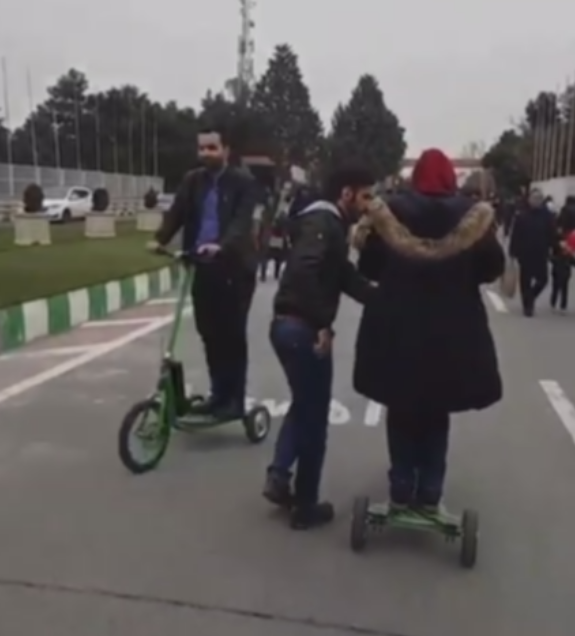
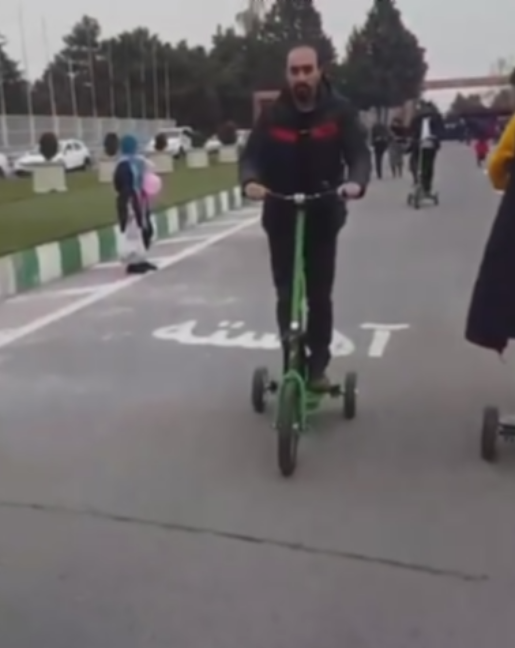
The team developed and tested several versions of their electric scooters with real users. These trials assessed the feasibility of the project and gathered valuable insights into people’s reactions to this new form of mobility. At the time, riding electric scooters were new experience to most people, and the concept of shared urban scooters was just beginning to emerge globally.
My Role in Ro-Box’s Journey
I joined Ro-Box shortly after the team had tested their initial scooter versions, redefined their goals, and gathered extensive user and business data, in 2019. My primary responsibility was to redesign the scooter, ensuring it addressed user pain points and met the needs of stakeholders effectively.
Through in-depth research on global shared scooter systems and careful analysis of user feedback, I identified key areas for improvement:
- Low Balance: Enhancing stability for a safer riding experience.
- Small Footboard: Increasing size for better comfort and usability.
- Weak Structure: Strengthening durability to withstand frequent sharing.
- Non-Compliance Start Movement: Ensuring smooth and compliant start mechanisms.
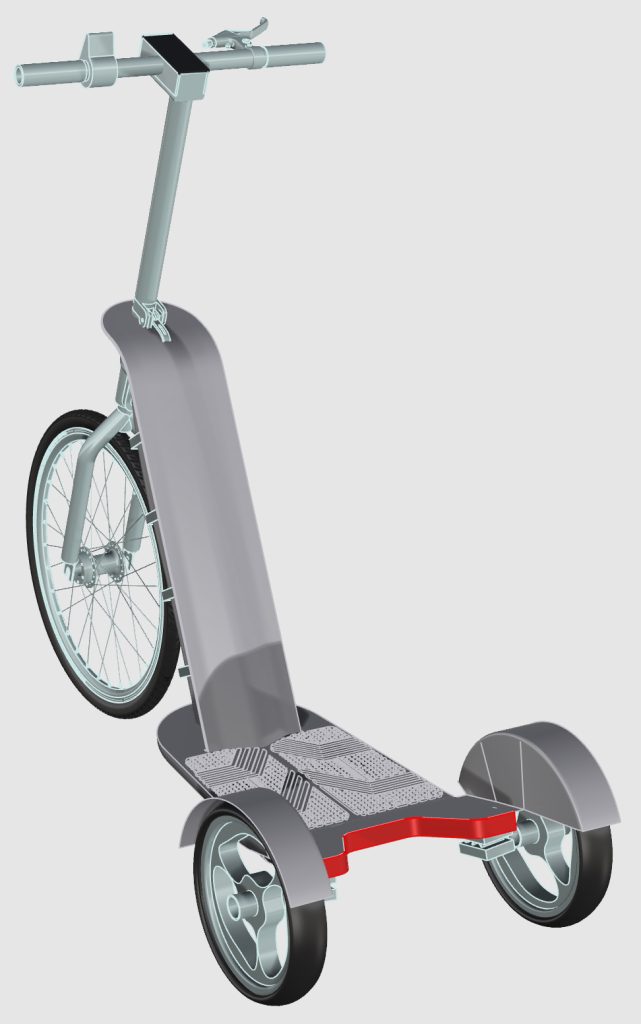
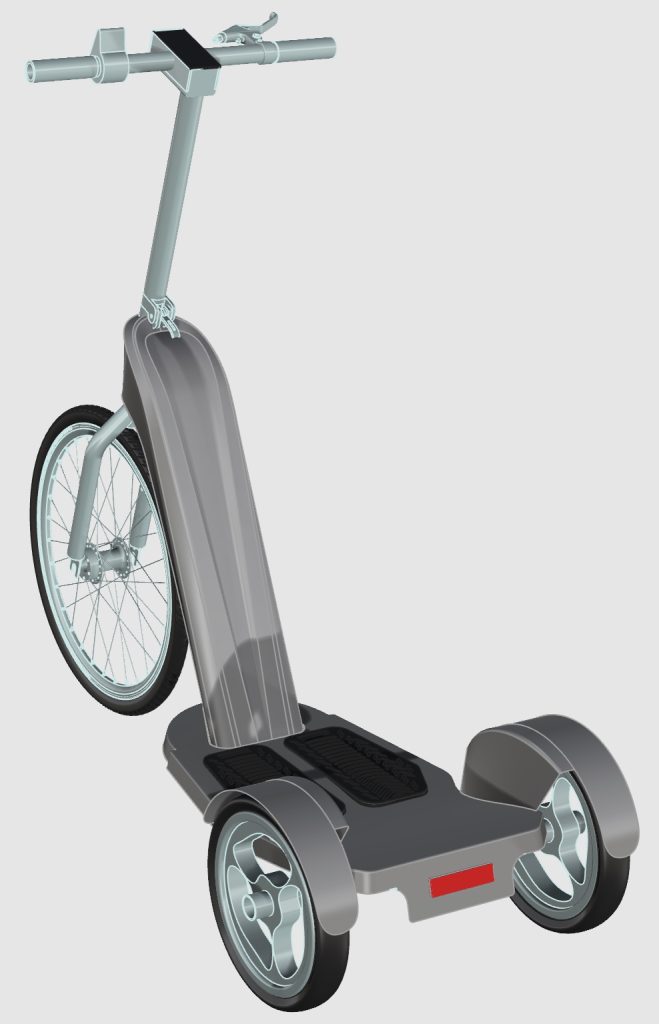
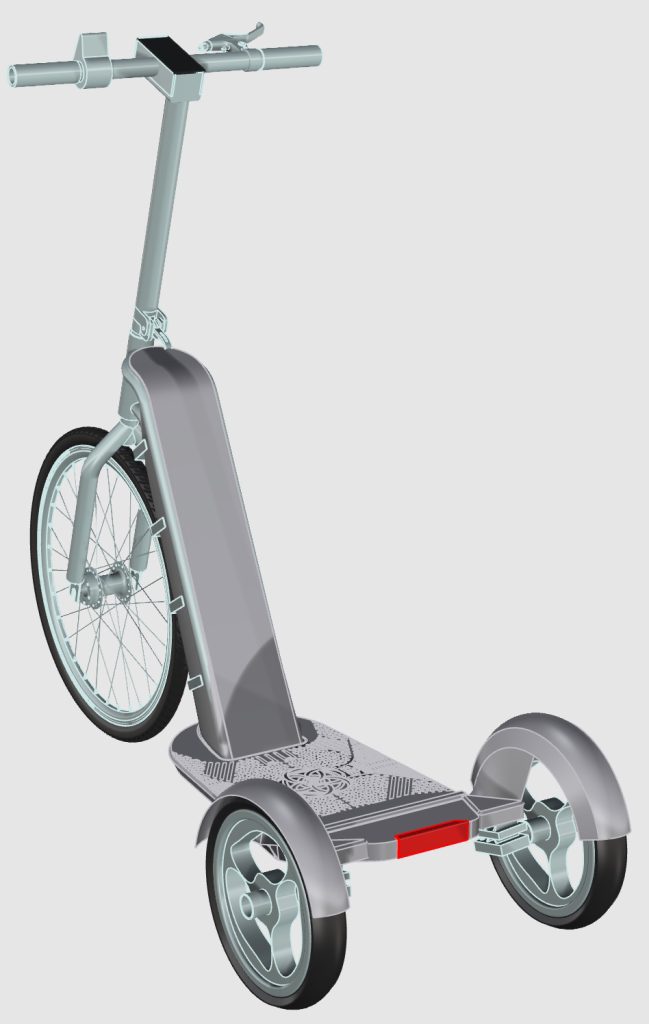
Using an iterative design process, I developed multiple concepts, three of which were shortlisted. After several discussions and reviews, the team decided on a final design that incorporated significant improvements.
These changes were made with meticulous consideration of:
- Manufacturing and Budget Constraints: Ensuring feasibility and cost-effectiveness.
- Ease of Maintenance: Simplifying upkeep for long-term efficiency.
- Durability: Designing for frequent use in various weather conditions.
Selected concept
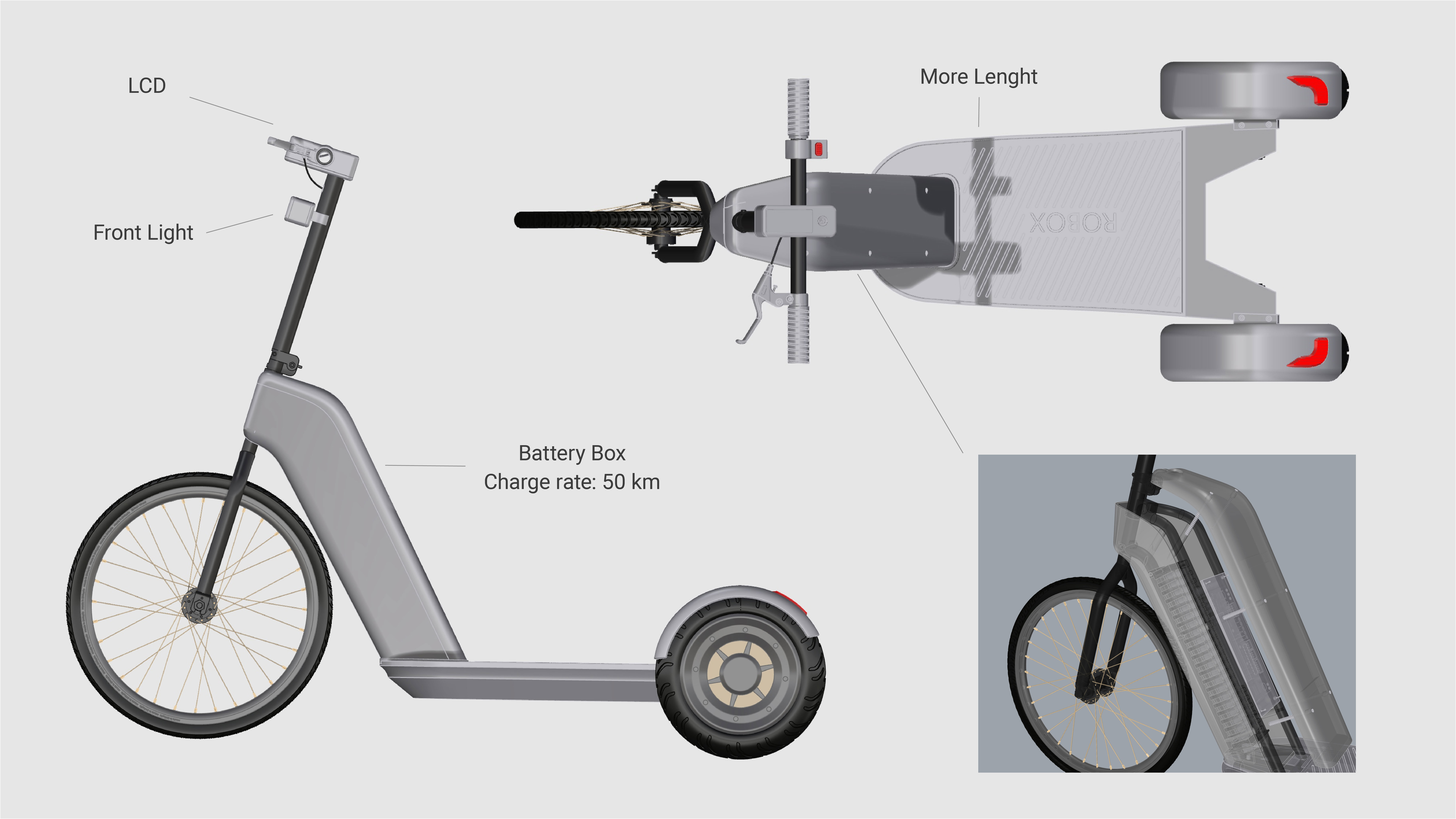
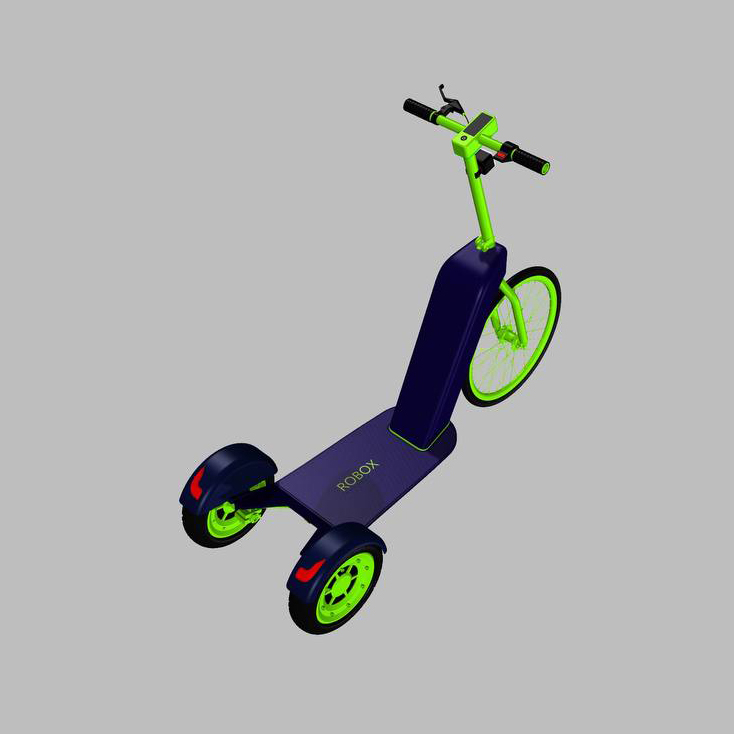
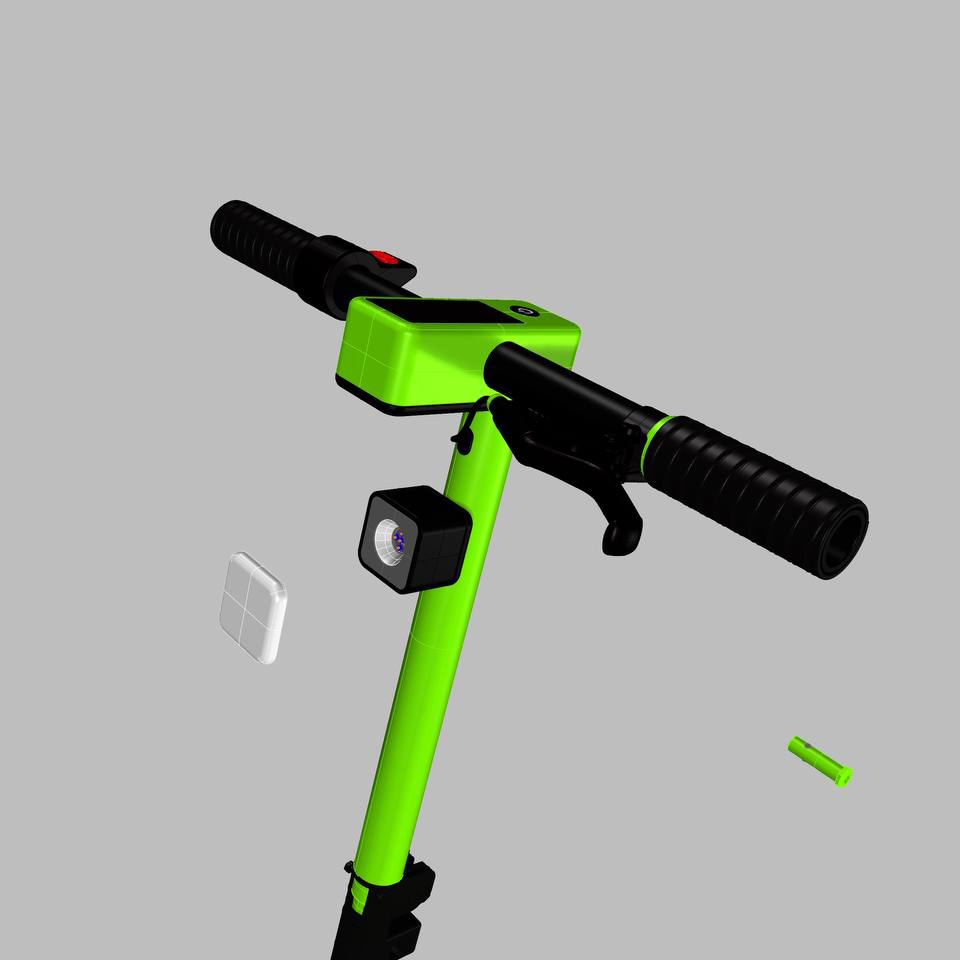
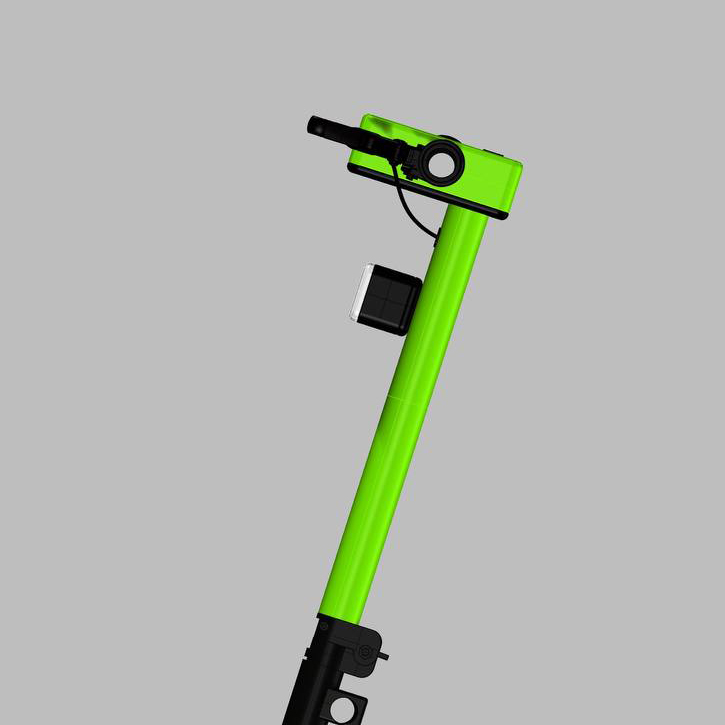
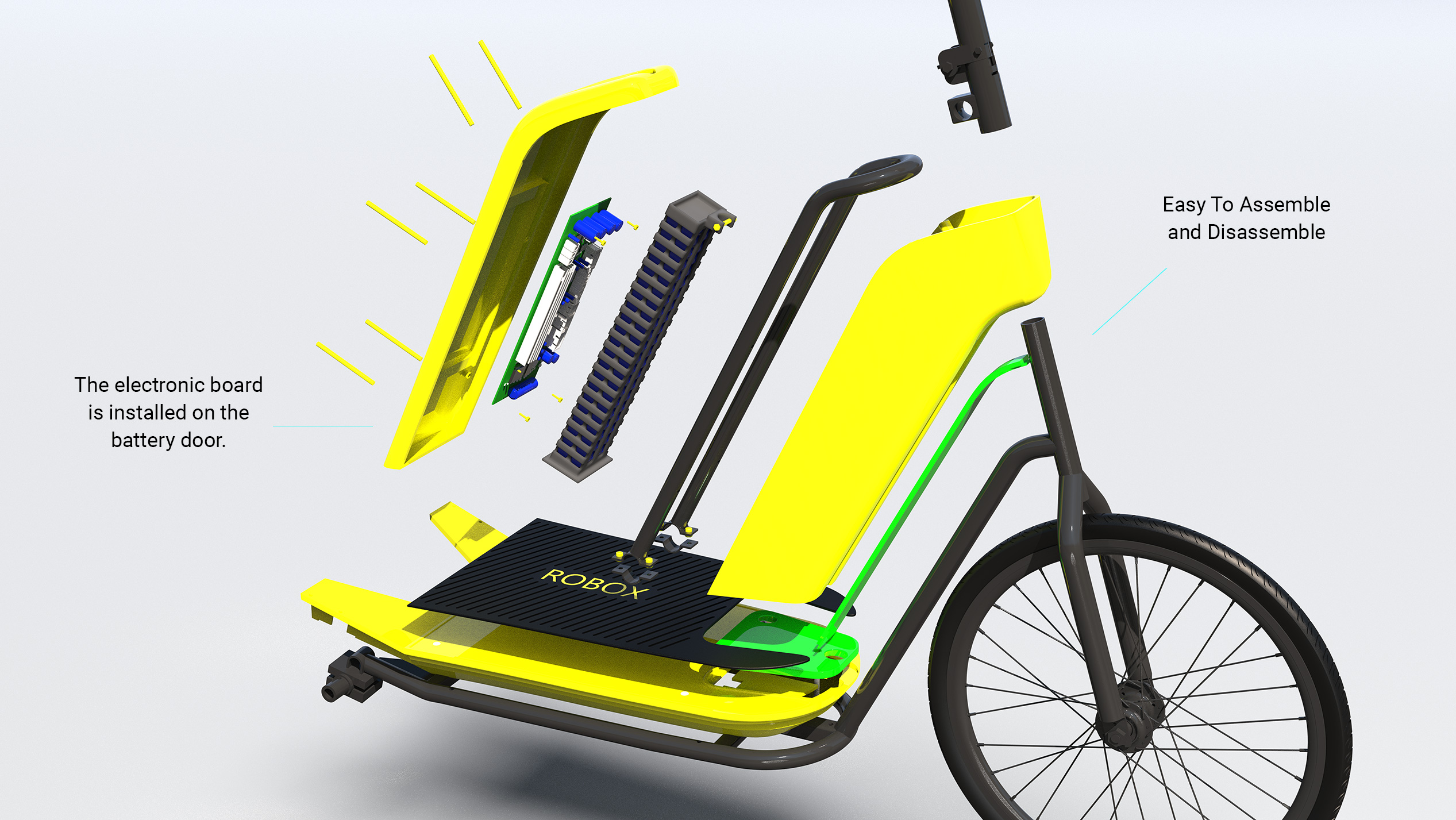
We made several changes to the design, one of which was adding more batteries to increase the scooter’s range. As a result, more space had to be allocated for the battery case. To accommodate this, I positioned the charger on the side of the body, allowing me to place the electronic board on the scooter’s cover.
Additionally, I included a spot for attaching a shopping basket, as the scooter’s initial use was intended for large recreational and shopping centers. This feature allowed users to carry a limited amount of cargo without disrupting their balance.
The design was kept as simple as possible to minimize the complexity of the prototyping phase, allowing us to focus on key aspects such as the scooter’s durability and performance.
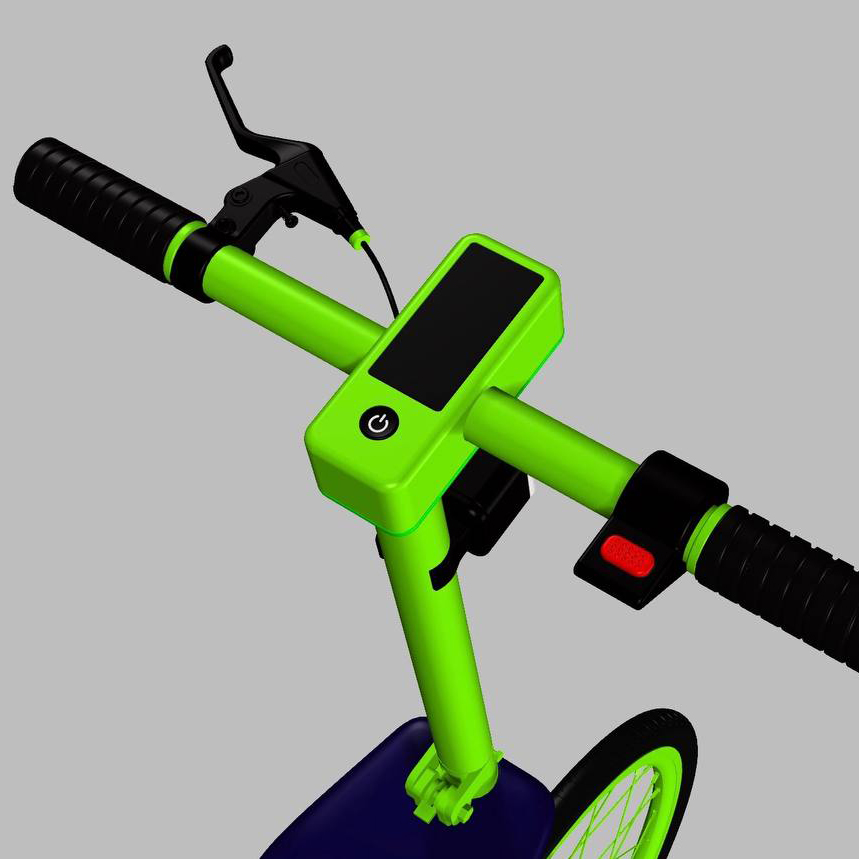
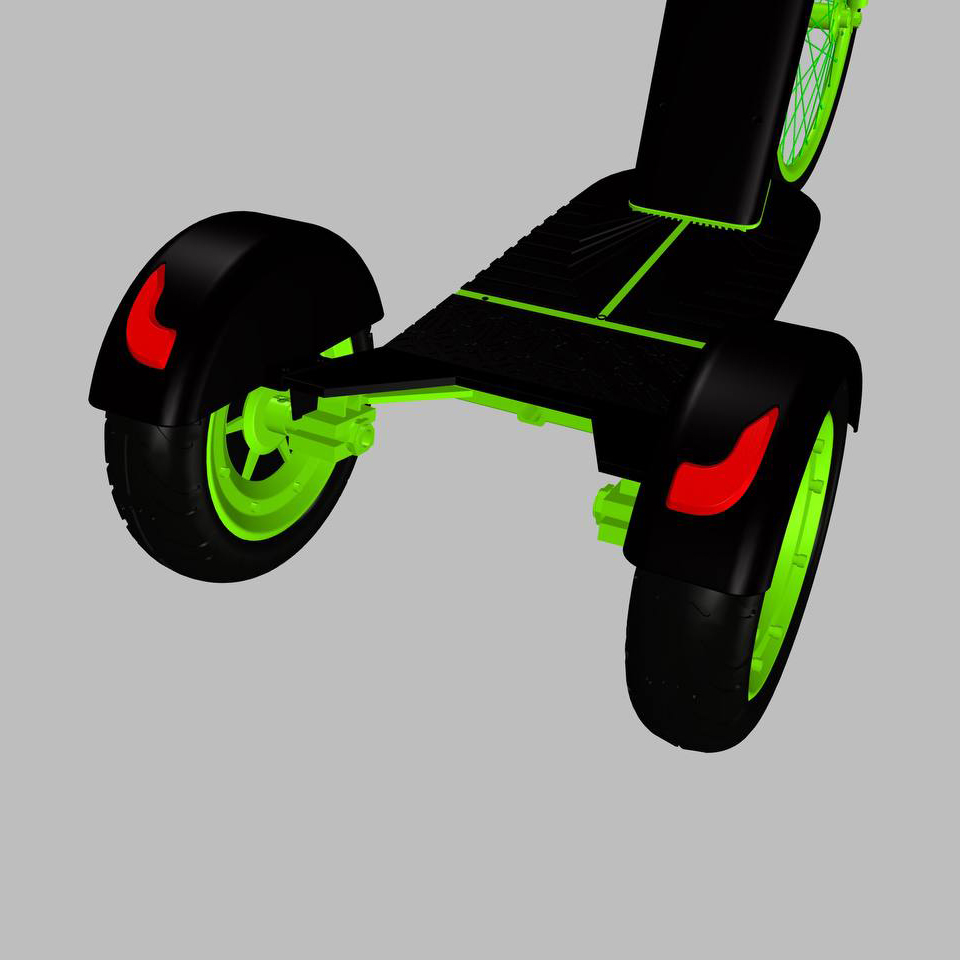
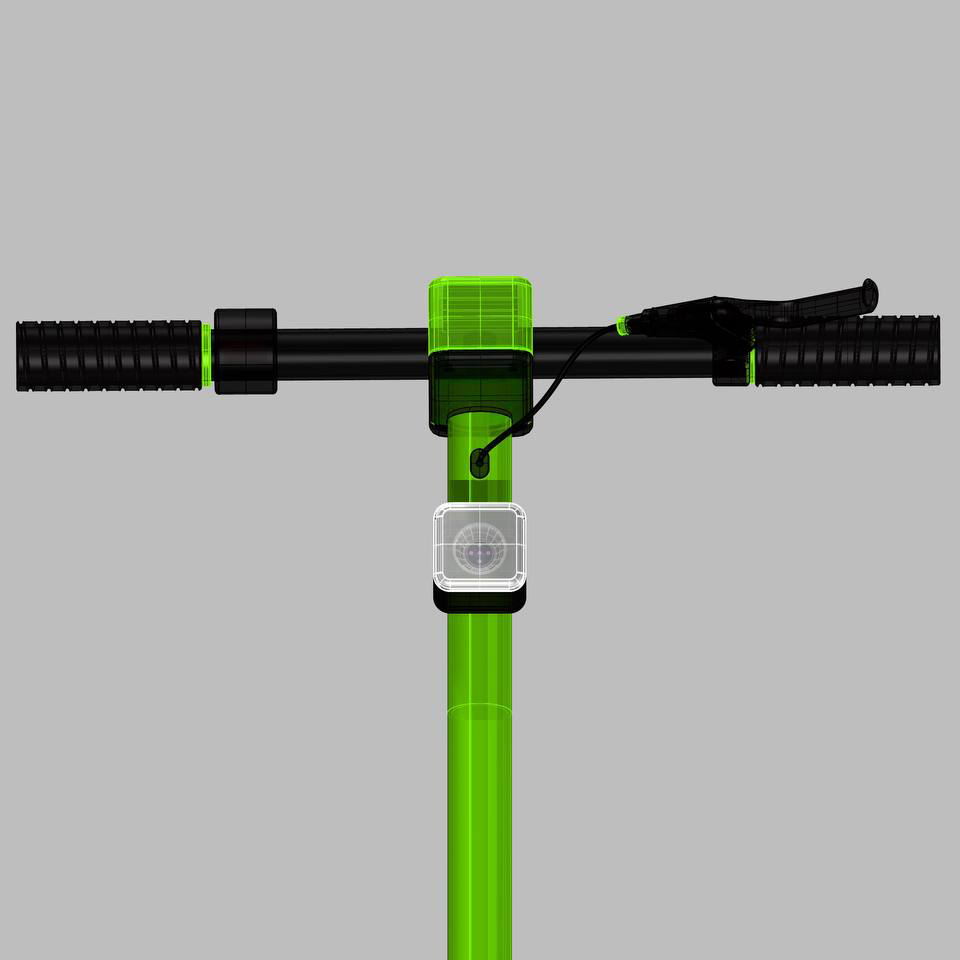
Rendering
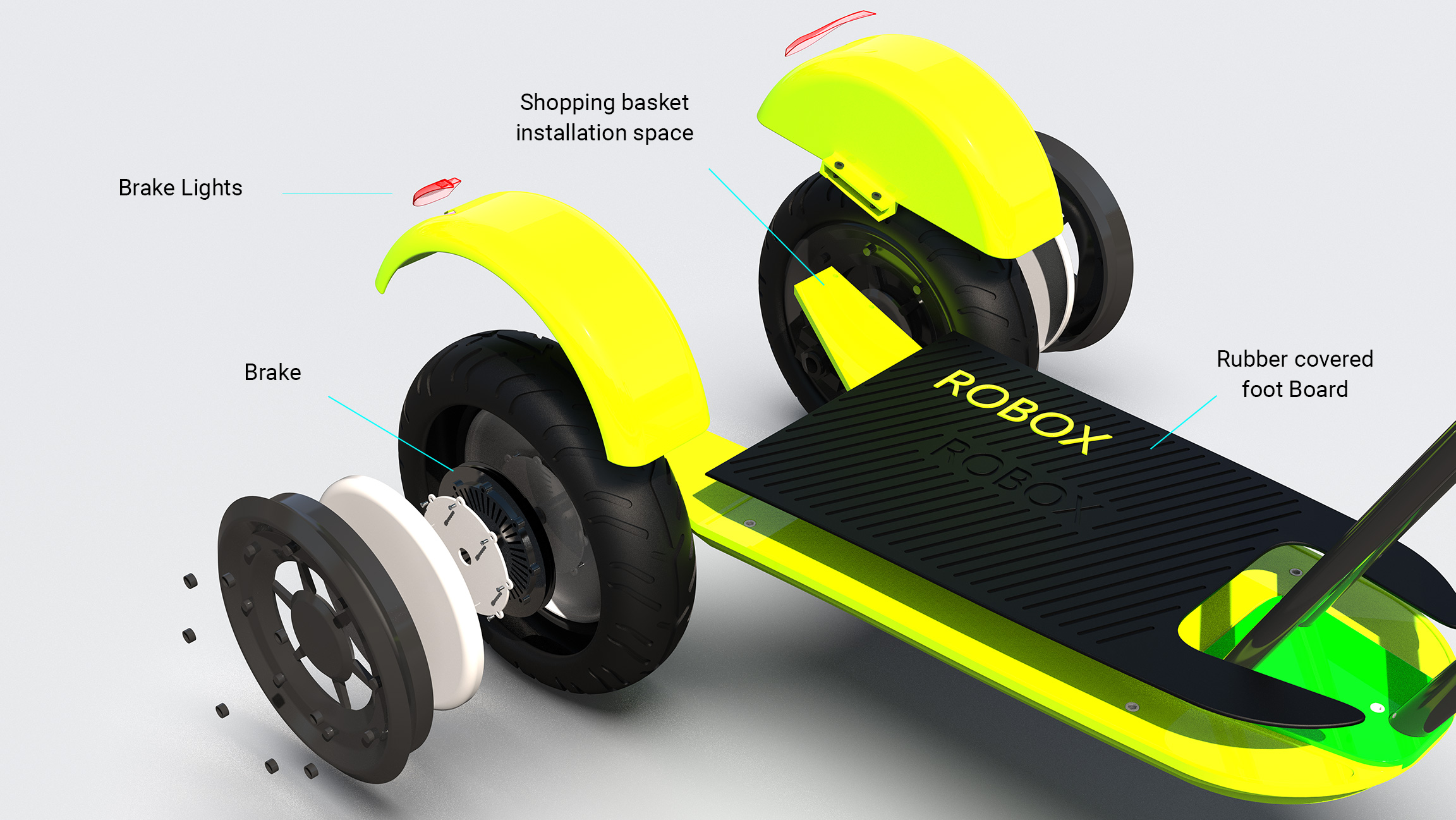
secondary Prototyping phase
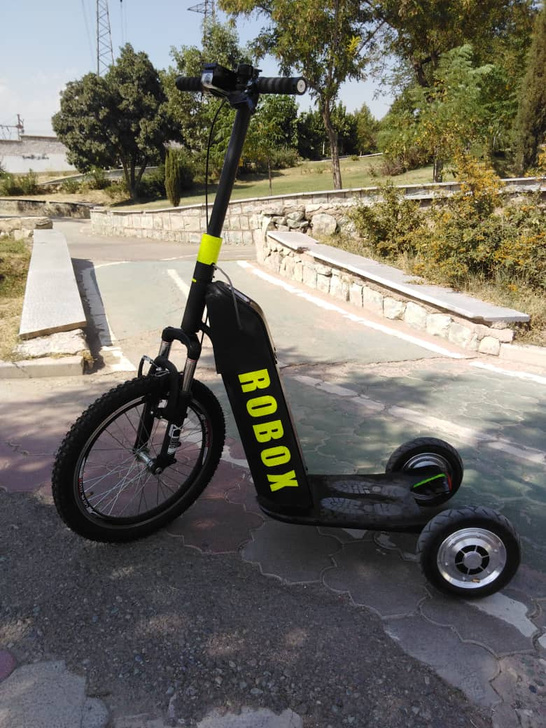
Unfortunately, the project was canceled during the prototyping phase due to urban mobility restrictions and mold production limitations in China. Nonetheless, the experience was fascinating and sparked my curiosity about smart cities even more.
In this picture, the battery case has been expertly prepared by our skilled technical team.
LCD Interface & App Design
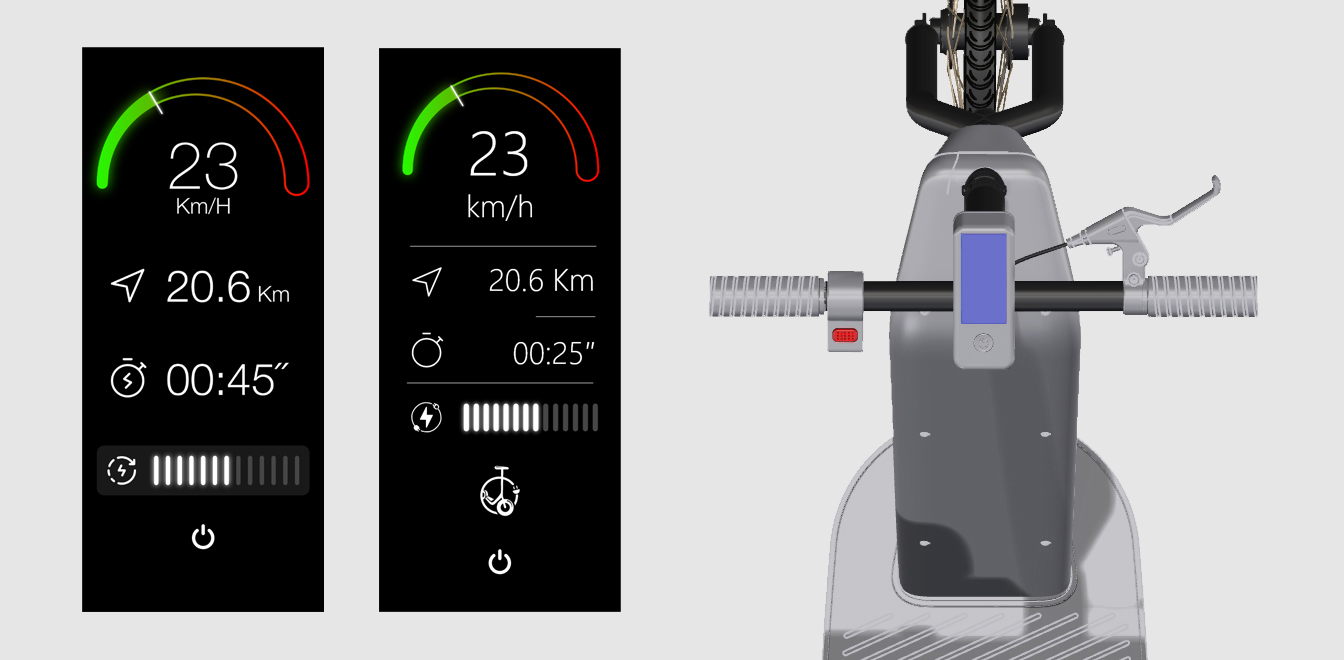
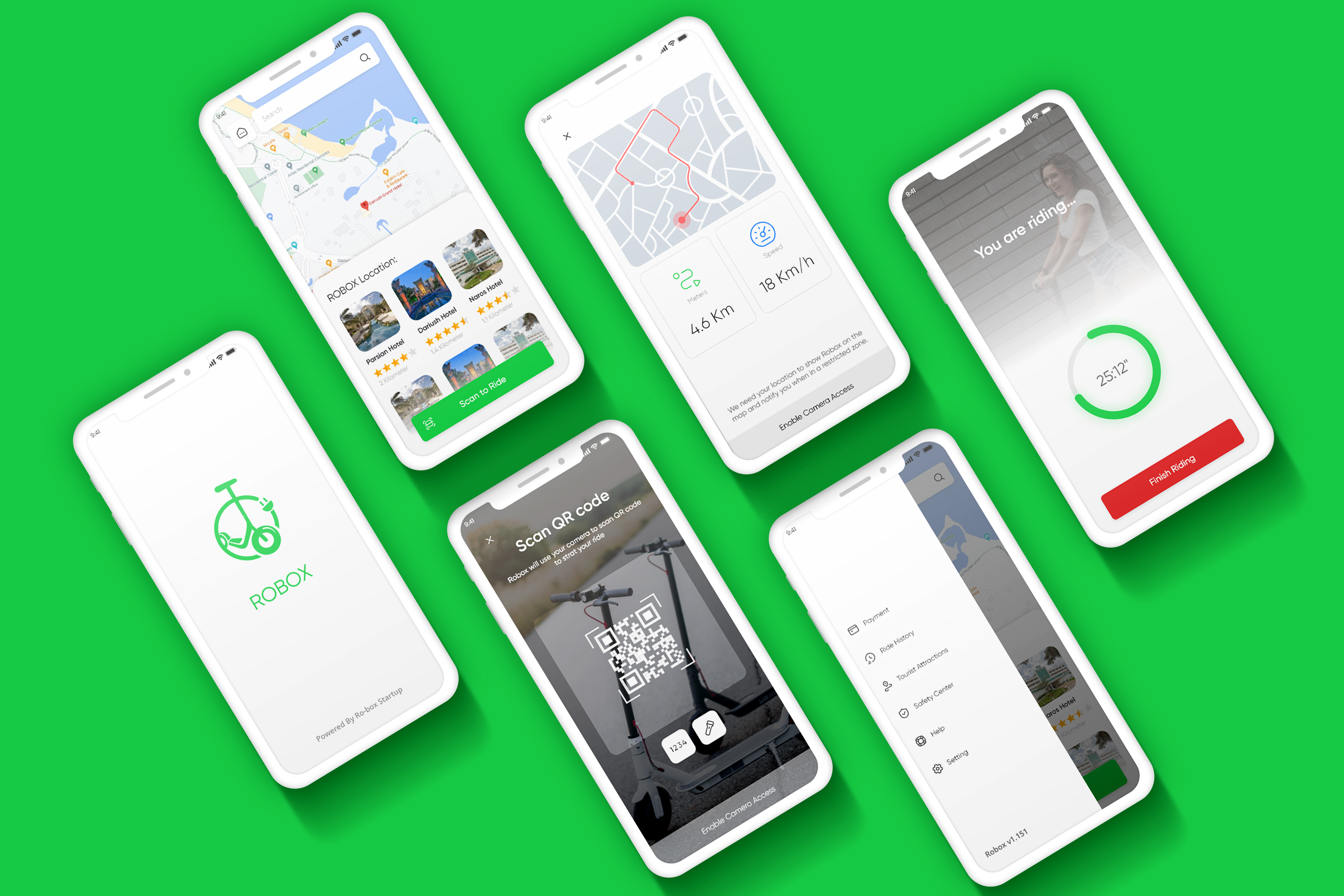
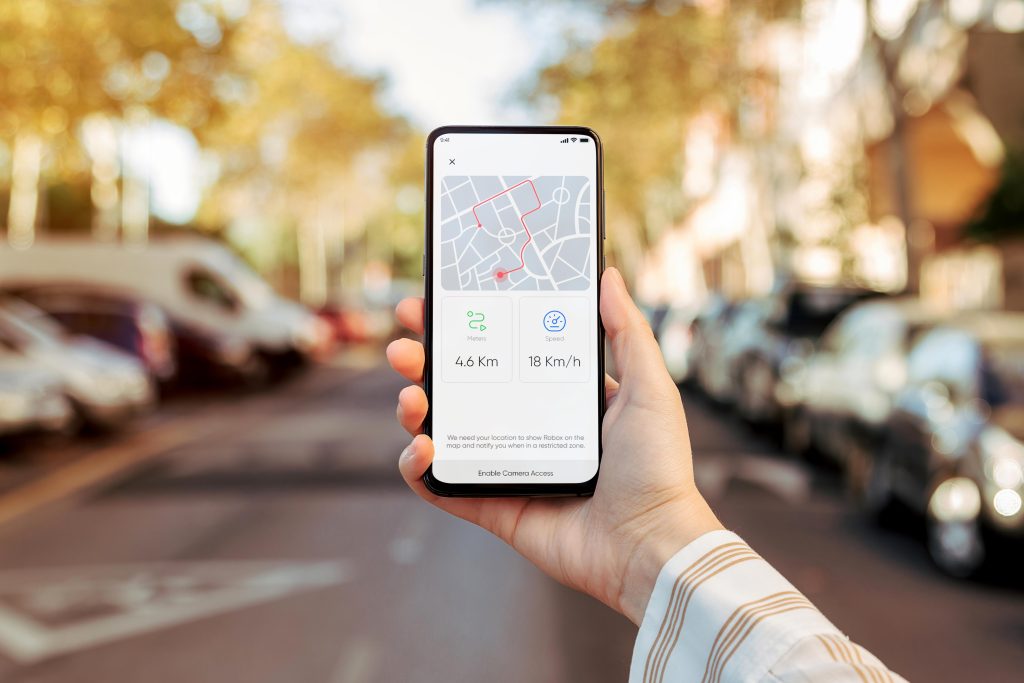
Based on my interest in designing interfaces and predicting user interactions, I applied this approach to the Ro-Box scooter project as well. Although it wasn’t an official part of the project, I wanted to illustrate the process and gain a deeper understanding of user experience. By considering how users would interact with the scooter, I aimed to refine the design and ensure a smoother, more intuitive user interface.
The Project’s Pause
Despite their innovative efforts and potential impact, Ro-Box’s operations were suspended in 2020 due to the pandemic. However, their pioneering work in shared urban mobility remains a significant chapter in the evolution of transportation in Iran.
Acknowledgements
I would like to extend my sincere gratitude to the following individuals for their invaluable contributions to this project:
- Product Manager: Aziz Vazifeh Del
- Project Manager: Mohammad Farahmand
- IoT Manager: Ali Mirzaie
- IoT Engineer: Masoud Heidary